
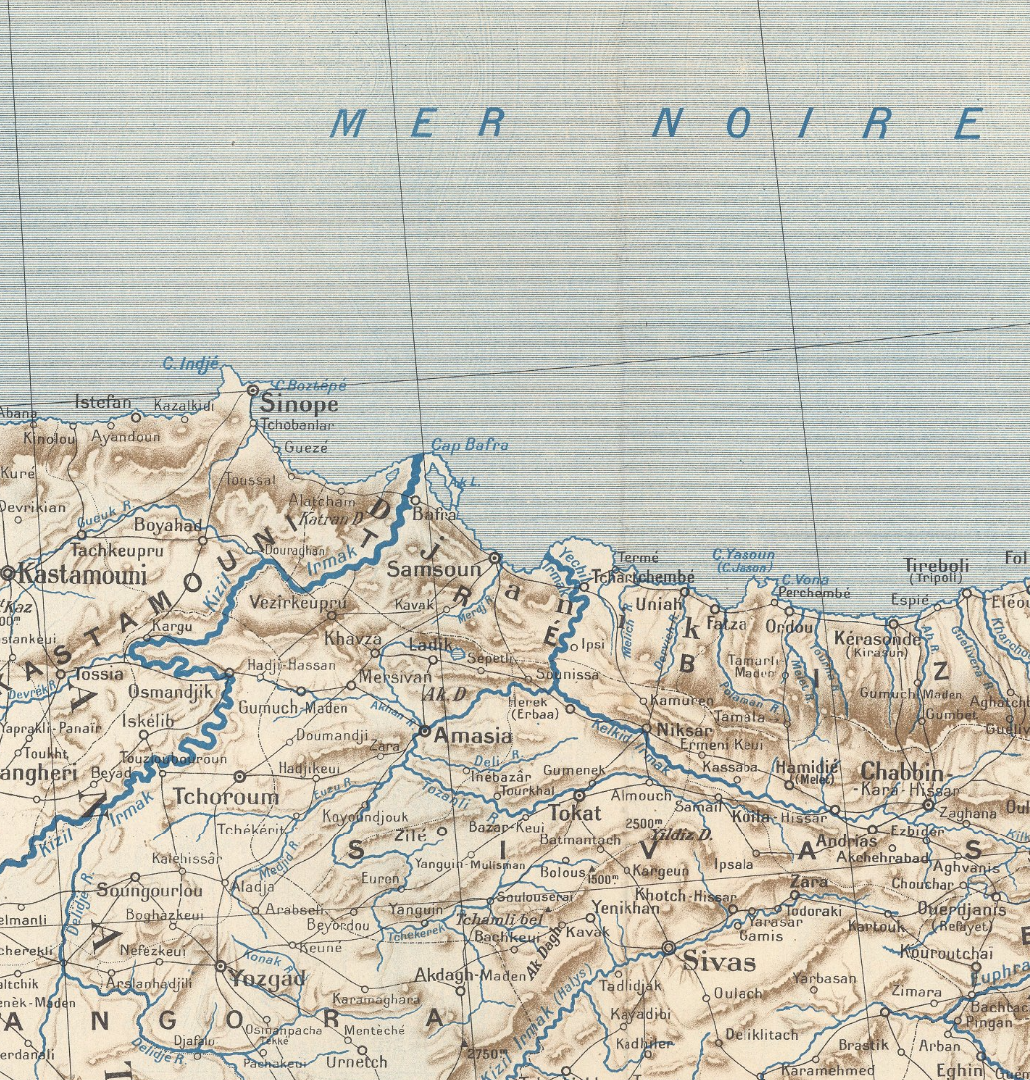
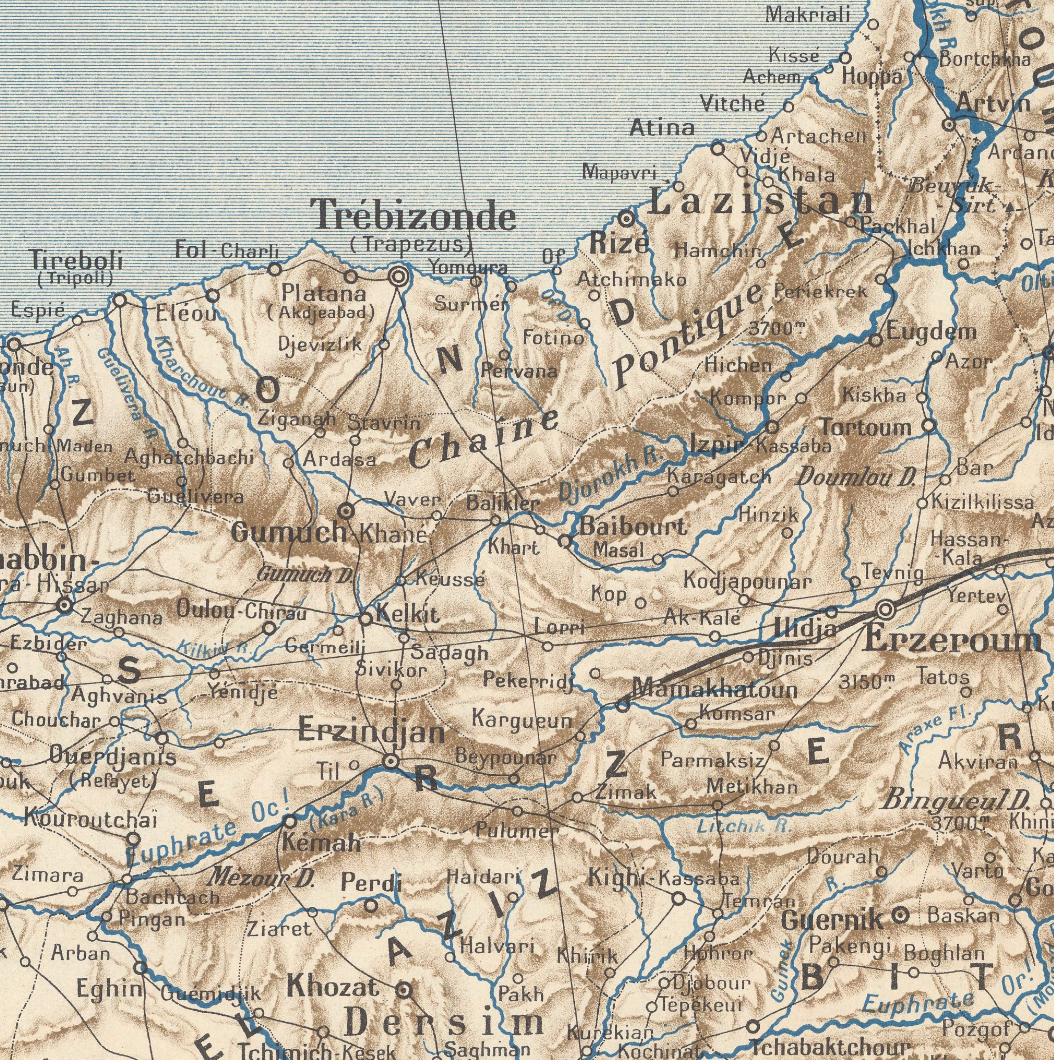
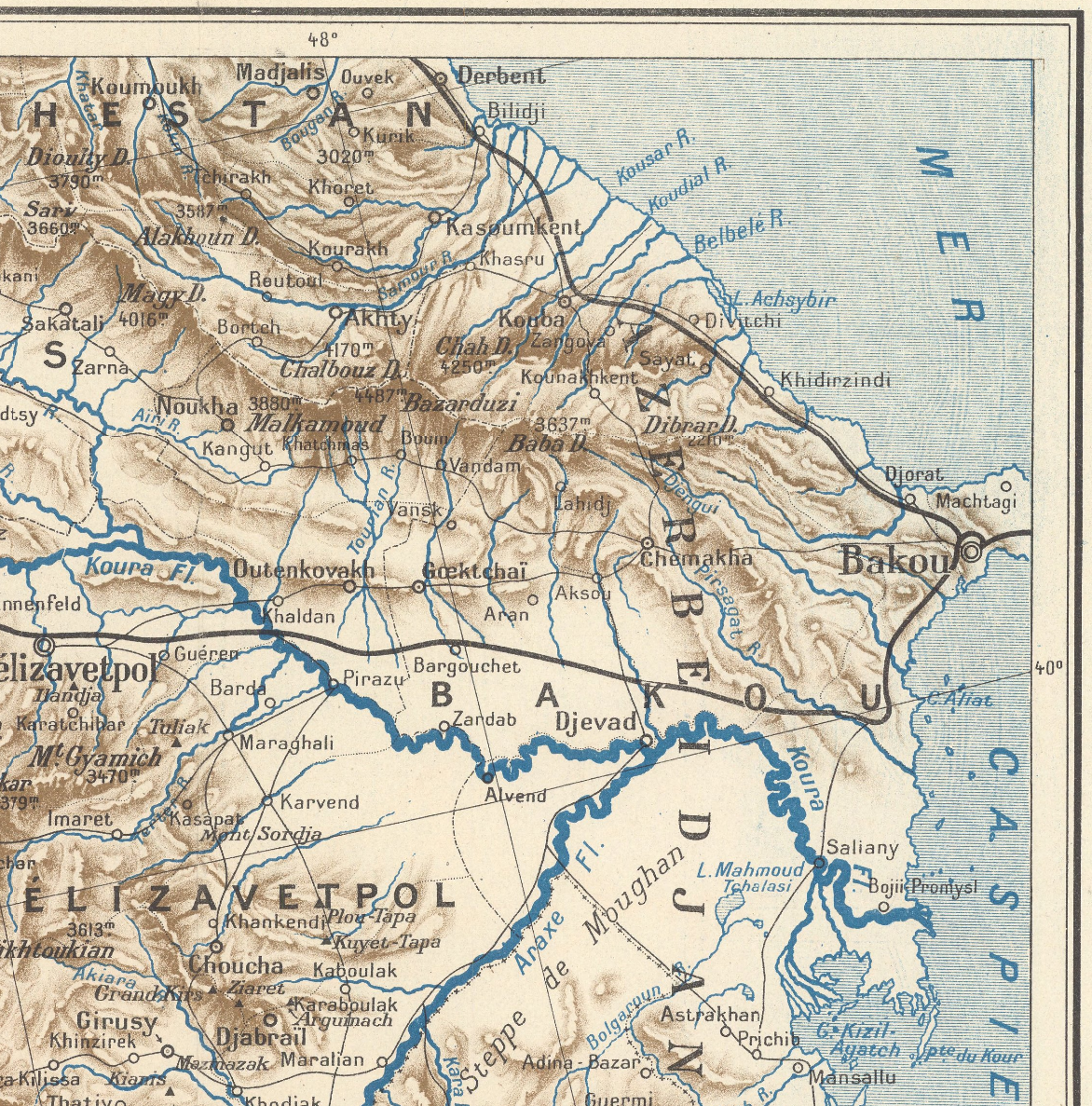
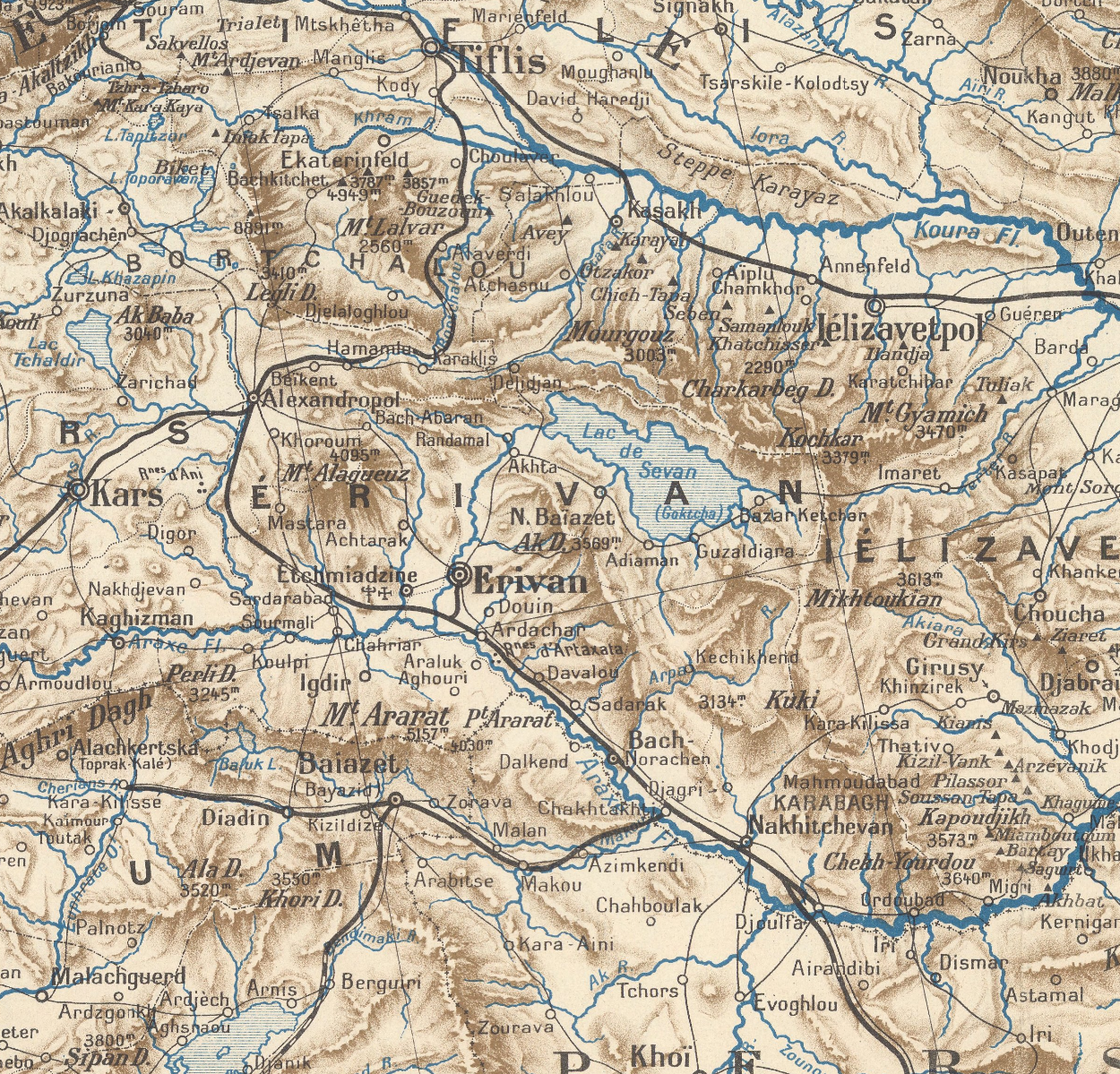
Armenie 1919
EGP550.00
A3 & A2 — Smaller & Versatile
A3: 29.7 × 42 cm · A2: 42 × 59.4 cm
Great for smaller spaces and simpler maps. Maps with lots of names, roads, borders, or fine details may be harder to read at these sizes.
A1 & A0 — Large & Detailed
A1: 59.4 × 84.1 cm · A0: 84.1 × 118.9 cm
Best for detailed maps. Larger sizes make the content easier to read and create a stronger statement piece on your wall.
Keep in mind
A3, A2, A1 and A0 are standard paper sizes. Historical maps come in different proportions, so the map itself may not fill the entire sheet and its final dimensions can vary.
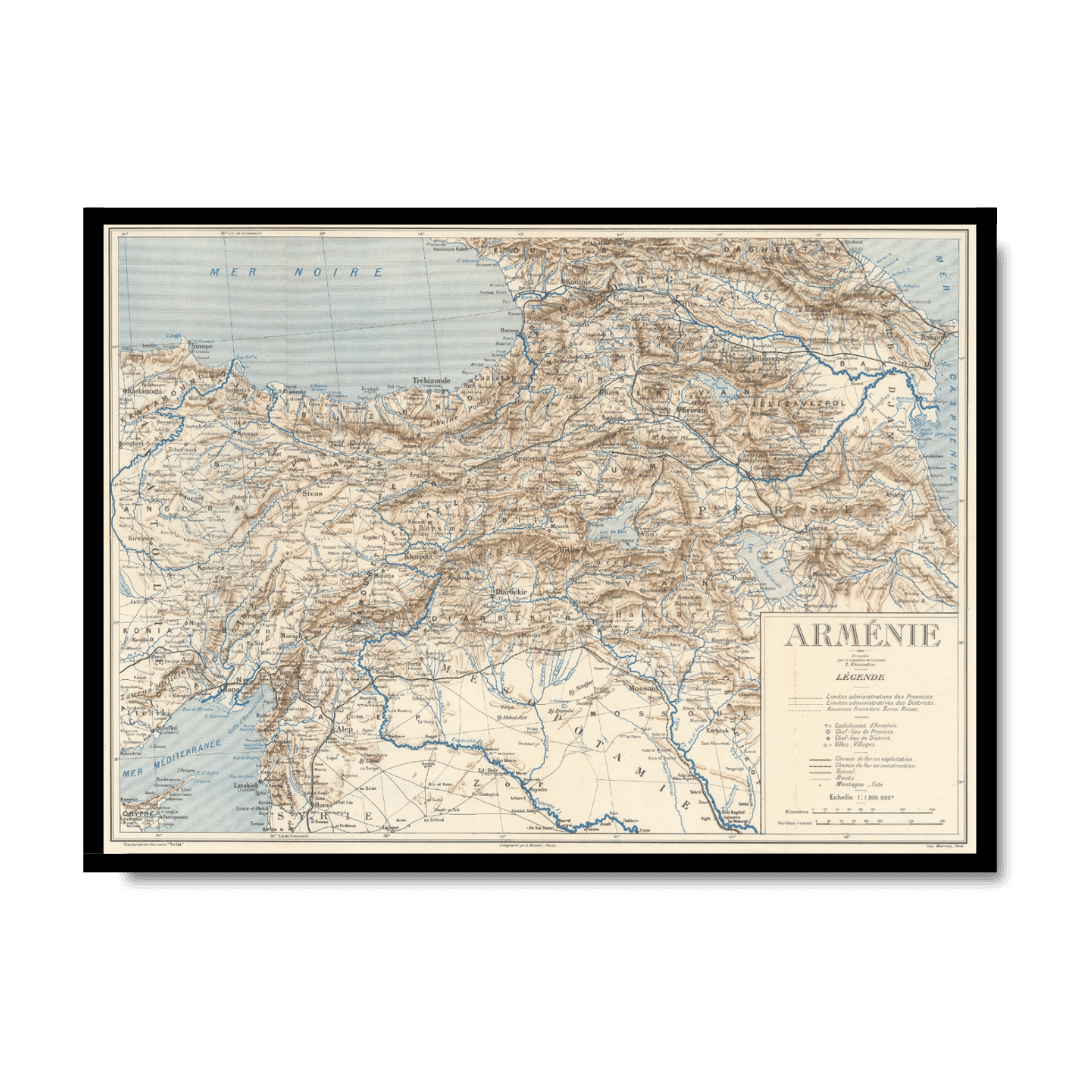
Created in 1919 by Zatik (Zadig) H. Khanzadian, this historic Kharita offers a clear and detailed representation of Armenia and its surrounding regions at a pivotal moment in modern history. It was formally presented by the Armenian National Delegation during the Paris Peace Conference, where the future of many post-war borders was being negotiated.
Drafted in the aftermath of World War I and the Armenian Genocide, the map reflects the Armenian national movement’s push for recognition and sovereignty. It illustrates both the modern-day Armenian territory and the historical Armenian lands that were central to diplomatic claims at the conference.
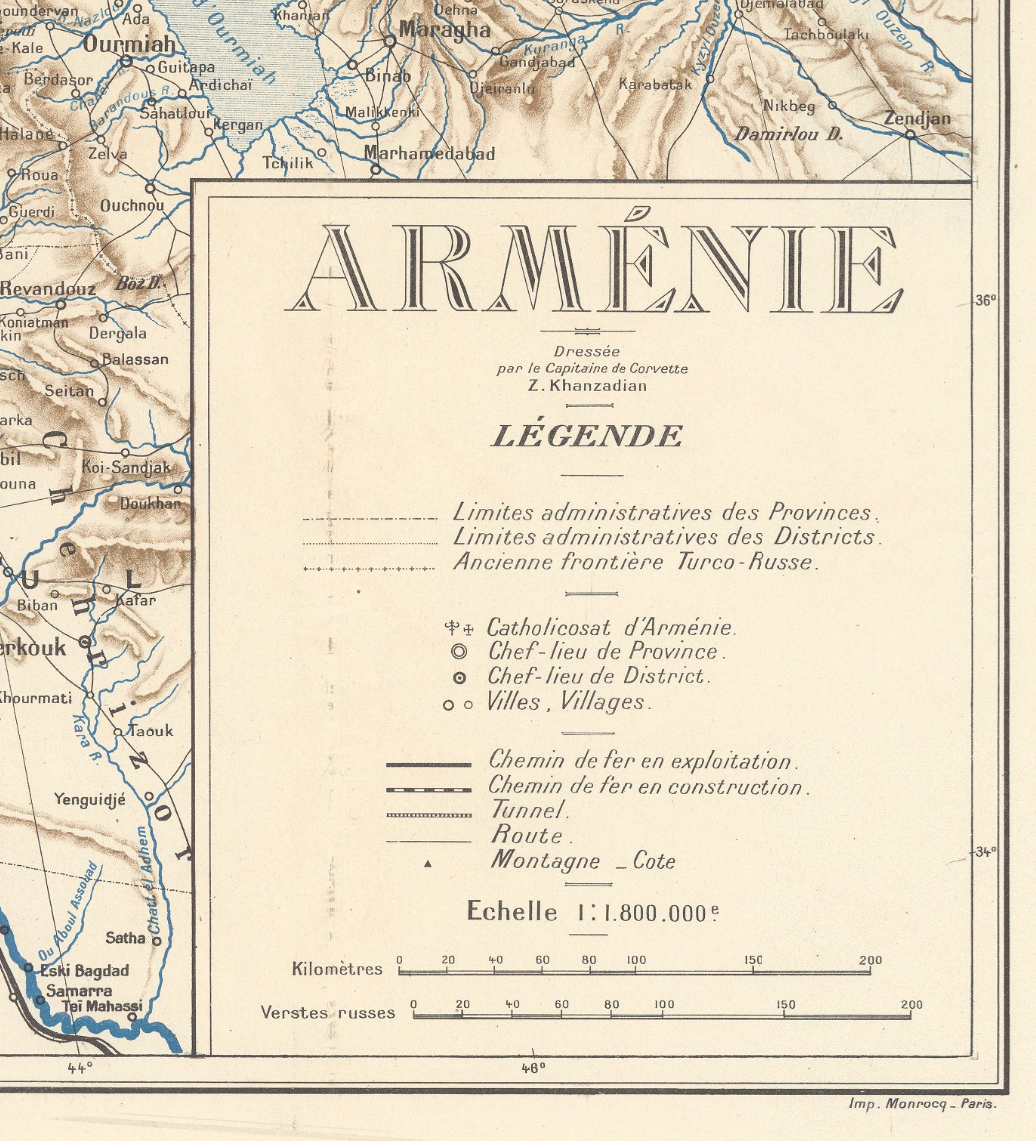
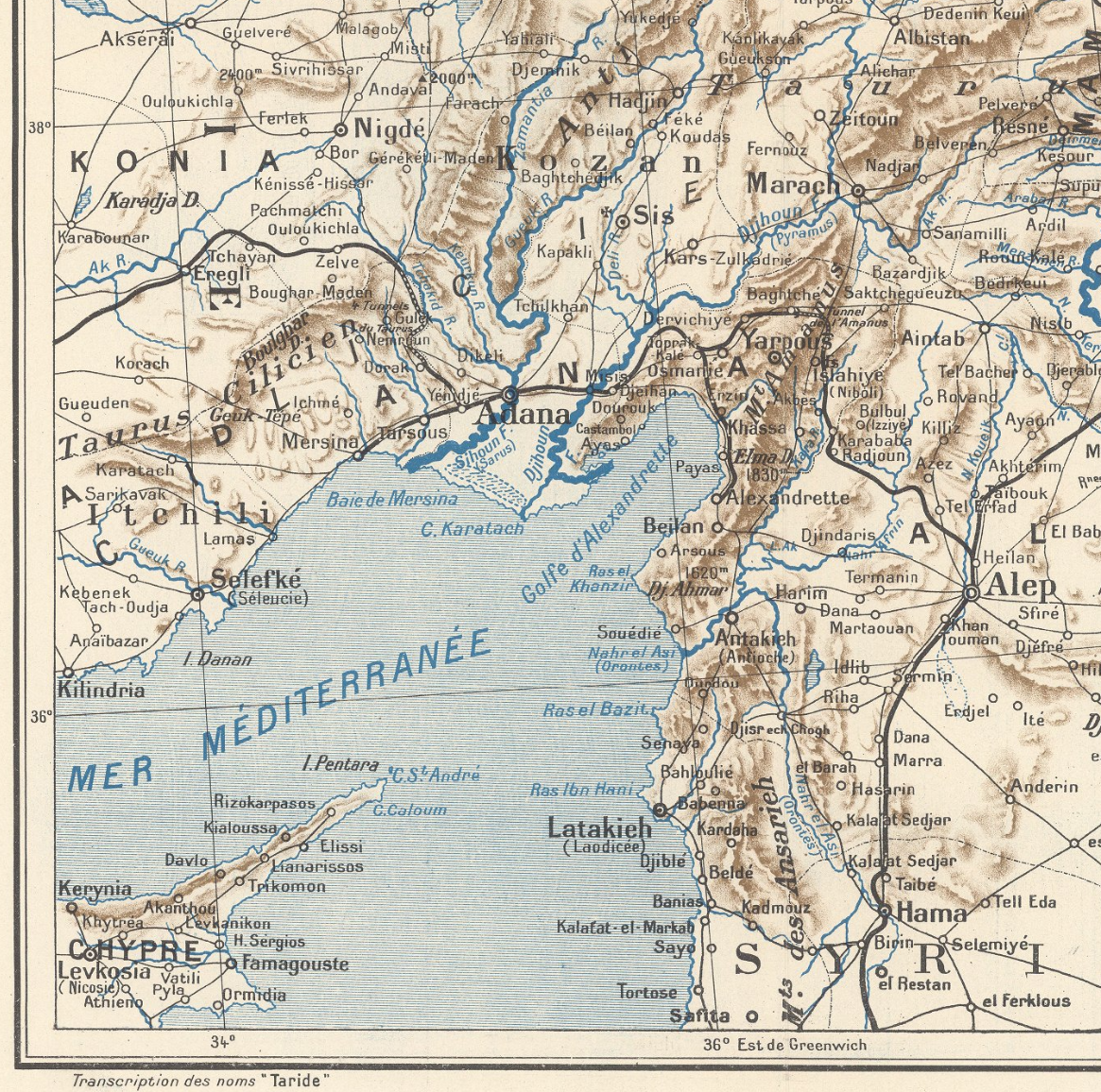
Produced in color, with clear distinctions between administrative districts, provinces, and historical borders. Shows church centers, railroad lines, towns, rivers, and mountain ranges through contour lines and shading. Contains a clear legend and standardized cartographic symbols typical of early 20th-century mapmaking.
This map was created as a political and historical document. Khanzadian, an experienced cartographer and naval officer, designed it to support the Armenian delegation’s territorial claims and to inform Western policymakers of Armenia’s geography and heritage. It served as an important reference during the diplomatic discussions that led to the Treaty of Sèvres (1920), even though its outcomes were later overturned by shifting geopolitics.
Map Info
Creator: Zatik H. Khanzadian
Date: 1919
Language(s): French
Scale: 1:1,800,000
Location: Armenia
| Size | 27.5 x 35, 35 x 55, 55 x 70 |
|---|
Details
✪ Heavyweight matte paper at 150 g/sqm
✪ Frame not included
✪ Package comes with shipping tube
Shipping & Returns
NOTICE: International Shipping Temporarily On Hold.
After you place an order, you will receive an email confirming that we have received your order and are processing it. Orders usually take 2-12 business days to arrive at your doorstep.
We do not offer refunds on our maps as they are specifically printed per order. You may request to exchange your map with another one provided that it is in good condition and has not surpassed 30 days since the day of order.
NOTICE: International Shipping Temporarily On Hold.
After you place an order, you will receive an email confirming that we have received your order and are processing it. Orders usually take 2–12 business days to arrive.
We do not offer refunds on our maps as they are printed per order. You may request an exchange within 30 days if the item is in good condition.
Visit our Shipping & Returns page for more details.
People Also Purchased
-
Postage Stamps Stickers
EGP90.00 -
Frame
EGP250.00 -
Postcards Egypt 1826
EGP50.00 -
Magnifying Glass
EGP120.00